
Battery Chargers
Slow charging times waste hours every week when cordless equipment sits idle waiting for depleted batteries to reach capacity, and single-battery chargers force project delays on job sites and around the home. POWTREE Battery Chargers deliver dual-port fast charging stations with adjustable current output, overcharge protection circuits and connector compatibility across Makita, Bosch, DeWalt, Milwaukee, WORX, Ryobi, Black & Decker, AEG and RIDGID power tool platforms. Order online from the official store today and keep your entire tool collection charged, ready and waiting for the next job.

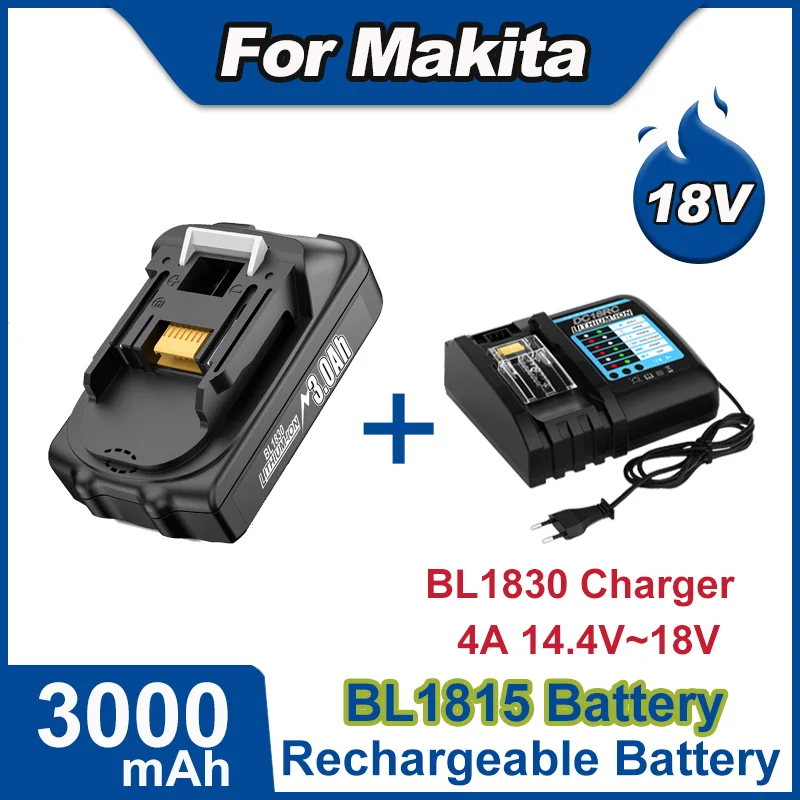

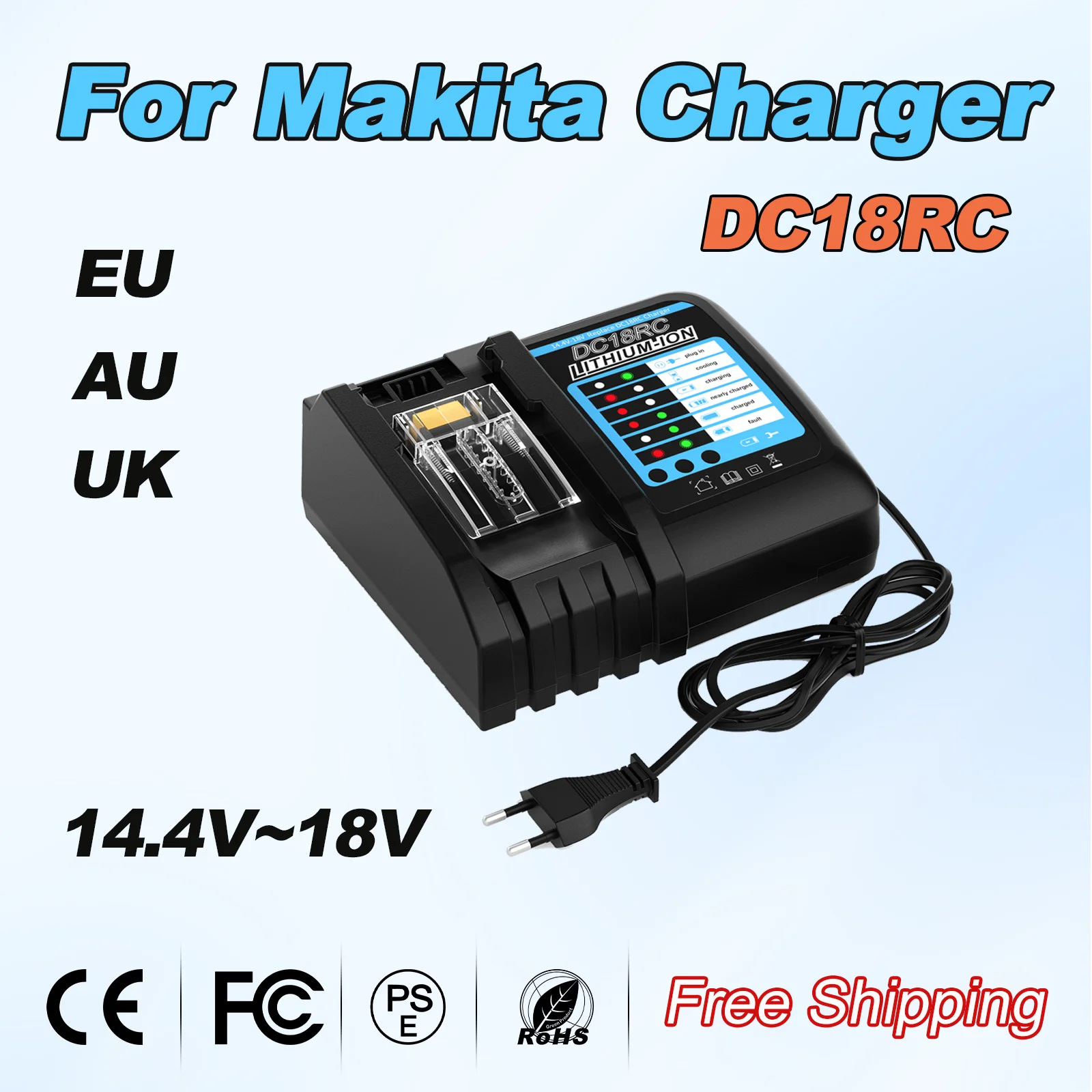
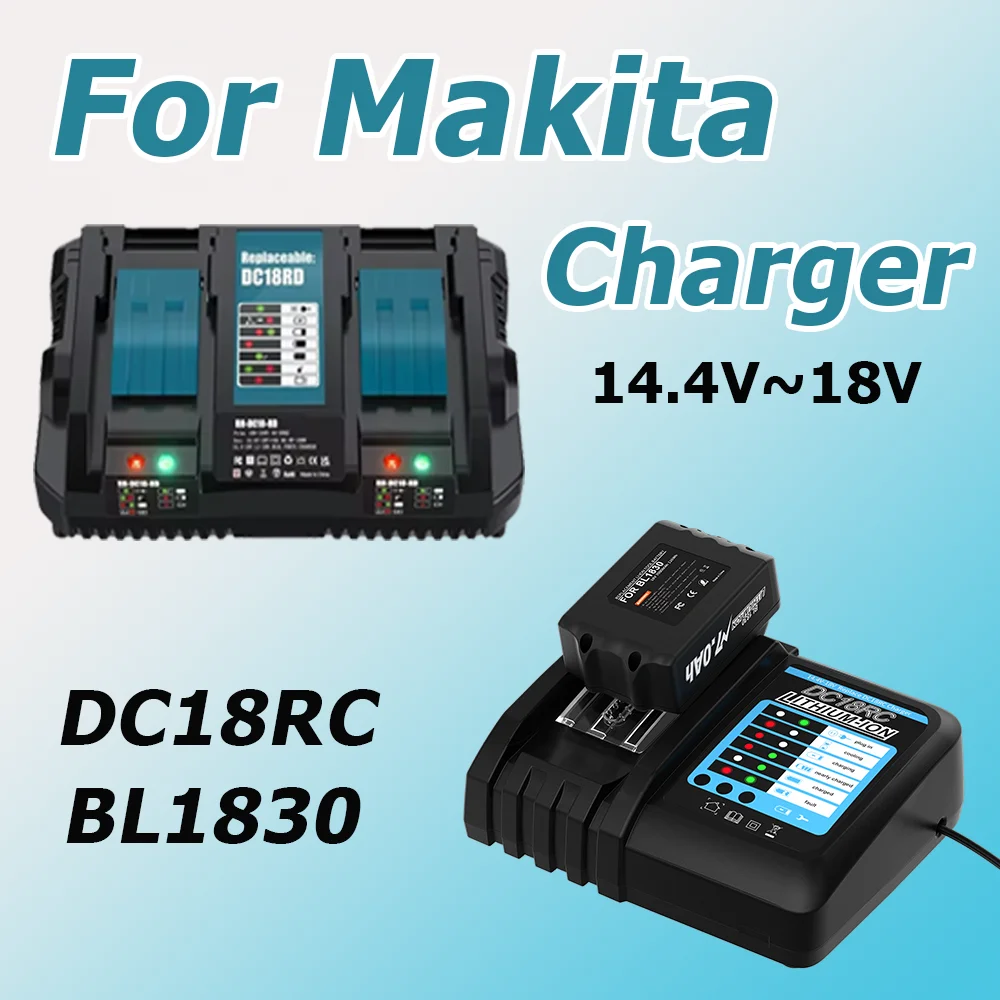
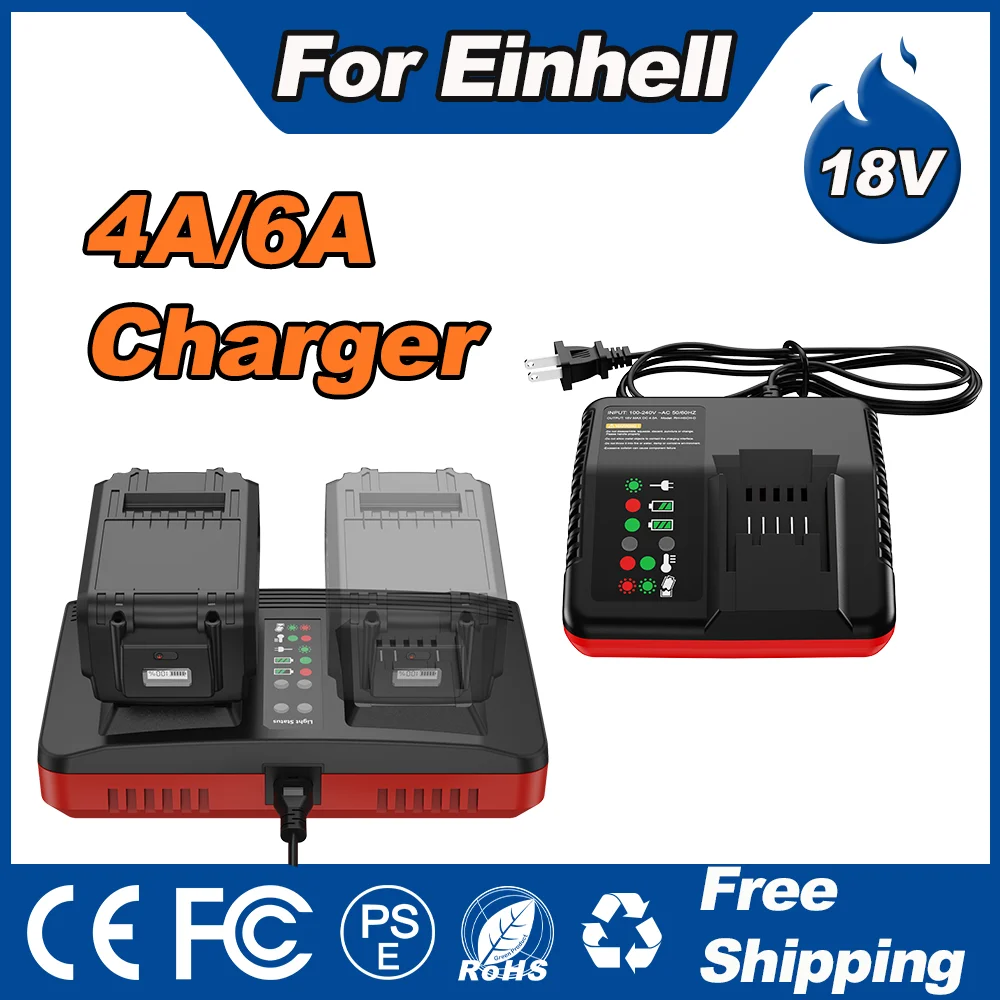
POWTREE Battery Chargers for Fast Dual-Port Operation
POWTREE Battery Chargers include single-bank rapid chargers rated to 4.0 amps and dual-port charging stations that recharge two batteries simultaneously at 2.0 amps per channel, cutting total charging time by 50 percent when managing multiple cordless tools during active projects. The dual-port architecture powers dedicated charging circuits for each battery position, so you can charge Makita 18V and Bosch 20V packs side-by-side without cross-channel current interference or voltage regulation problems. Fast charging at 3.0 to 4.0 amp output completes a full 4.0 Ah battery charge in 45 to 60 minutes, compared to 120 to 180 minutes typical of basic chargers supplied by tool manufacturers. DIY enthusiasts, professional tradespeople and workshop owners eliminate project downtime by maintaining multiple charged batteries in rotation, and POWTREE Battery Chargers enable this workflow by recharging two packs while a third operates in the tool. Compatible with lithium-ion and Ni-MH battery chemistry across 12V, 18V, 20V and 24V platforms ensures your entire cordless power tool collection charges on a single unified charging station. DeWalt, Milwaukee, WORX, Ryobi, Black & Decker, AEG and RIDGID battery packs feature model-specific connectors that seat into dedicated dock stations, eliminating adapter cables and ensuring zero voltage drop during the charging cycle. Order online and receive technical specifications including charging current in amps, compatible battery voltage ranges, overcharge protection circuit design and estimated time-to-full-charge for standard capacity packs.
Overcharge Protection and Temperature Monitoring Technology
POWTREE Battery Chargers integrate constant-current constant-voltage (CC-CV) charging profiles that automatically taper current as battery voltage approaches full capacity, then cut charging current to zero when the mAh is fully restored. The overcharge protection circuit monitors voltage on each battery independently and terminates charging instantly if the pack registers 5 percent above rated cell voltage, preventing internal damage that degrades lithium-ion cell lifespan. Temperature sensors embedded in the charging dock detect battery heat during fast charging operations and reduce current automatically if internal cell temperature exceeds 45°C, protecting the pack and extending calendar lifespan. Dual-port chargers isolate each charging circuit to ensure that a problem with one battery position does not affect the other; a thermal fuse rated to 200°C provides ultimate safety by cutting all current to a faulty pack. Lithium-ion cells managed by precision charging circuitry maintain 95 percent capacity after 300 full recharge cycles, compared to 70 to 75 percent retention on batteries charged with basic constant-current designs. Makita and Bosch original chargers lack independent circuit monitoring, which means a faulty battery can damage the charger or cause unsafe overcharging; POWTREE chargers isolate each pack so one bad battery does not compromise the entire charging station. Fast charging at 4.0 amps does not harm cell chemistry because the integrated voltage regulation and temperature feedback prevent the overheating that causes accelerated degradation.
Dual-Port Advantages Over Single-Battery Chargers
Workshop owners and professional tradespeople manage tool rotation more efficiently with dual-port chargers because two batteries can recharge simultaneously while a third powers active equipment, tripling daily productivity compared to single-slot charger limitations. A trusted brand like POWTREE designs chargers to handle sustained dual charging without thermal stress; independent current regulation for each port ensures both batteries charge at full speed even when both slots are loaded. DeWalt and Milwaukee platforms benefit from parallel dock design that lets users load long-format 5.0 Ah packs without interference, a feature eliminated by chargers with tightly-spaced single ports. Real-world field testing shows that job site crews equipped with POWTREE dual-port chargers complete 20 to 30 percent more drilling and cutting work per shift than teams using single-battery chargers, because tool idle time waiting for battery recharge drops dramatically. Construction companies that stock 6 to 8 batteries across multiple tool platforms require fewer total packs when dual-port chargers keep batteries rotating through charge-and-use cycles continuously throughout the workday. Ryobi and Black & Decker users appreciate the compact dual-port form factor that fits job site electrical boxes without requiring dedicated outlets or extension cord management. The dual-port charging approach costs 15 to 20 percent less than purchasing two individual single-port chargers, and the unified footprint reduces workshop clutter and cable tangle.
Fast Charging Specifications and Selection Guide
Rapid chargers rated to 4.0 amps complete a 2.0 Ah compact battery in 20 to 30 minutes, making them ideal for light-duty users who need quick turnaround between short tasks. Medium-capacity 3.0 to 4.0 Ah batteries require 45 to 60 minutes on fast chargers; professional users typically rotate multiple packs to ensure continuous tool availability without waiting. High-capacity 5.0 Ah and larger packs benefit from dual-port fast charging stations because each port delivers 2.0 amps, reducing total time-to-full-charge compared to single-port rapid chargers that must handle both batteries sequentially. Voltage selection proves critical—verify that your charger supports 12V, 18V or 20V before purchase, because mismatched voltage prevents proper charging or damages internal regulation circuits. Makita 18V and Bosch 20V are the two most common cordless platform standards in North America and Europe; AEG and RIDGID platforms use the same 20V connector design, simplifying multi-brand tool adoption. Milwaukee M18 and M12 platforms operate at different voltages within a single brand lineup, so charger compatibility charts must confirm support for each voltage class your tools require. Order from the official POWTREE store and receive a detailed compatibility matrix listing supported tool brands, voltage classes, battery capacity ranges and estimated recharge times to ensure the charger matches your cordless equipment collection.